
FreeKoala Bird Feeder with Camera: Company, Product Line, and Procurement Analysis
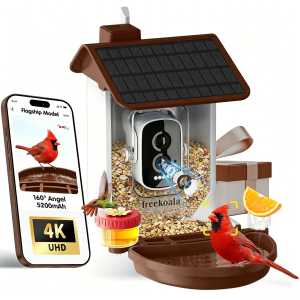
For buyers researching a bird feeder with camera — whether as an end user, a retail buyer, or an OEM/ODM partner — the questions are consistent: who actually makes the product, what is inside it, how the factory is organised, and what the buying and support terms look like. This analysis covers the company profile, the FreeKoala smart bird feeder product line, manufacturing and R&D strength, how the camera bird feeder works in daily use, verified comparison points against other camera feeder brands, and the factors that determine procurement value.
What a Bird Feeder with Camera Is, and Why the Category Is Growing
A bird feeder with camera — also searched as a camera bird feeder, smart bird feeder, bird camera feeder, or video bird feeder — is a feeder with an integrated wireless camera that streams and records the birds visiting the feeding tray. Rather than watching through binoculars, the user receives an arrival alert, opens a mobile app, and views or saves the visit.
The category has moved from novelty to defined segment. Commercial research published by Growth Market Reports values the global smart bird-feeder camera market at approximately USD 225 million in 2025, and the same source states that integrated camera feeders accounted for roughly 78% of that value — meaning buyers are predominantly choosing all-in-one units rather than aftermarket camera kits attached to a traditional feeder. A separate commercial estimate placed smart-feature penetration within the premium bird feeder segment at approximately 20% in 2024.
For discovery-stage buyers, the practical implication is that the category is no longer defined only by whether a feeder has a camera. Differentiation now sits in resolution, power autonomy, storage model, subscription structure, weather sealing, and species-recognition capability — precisely the areas where suppliers separate from one another.
Company Overview: Shenzhen Yangyangda Innovation Technology Co., Ltd.
Shenzhen Yangyangda Innovation Technology Co., Ltd. is a Shenzhen, Guangdong-based manufacturer established in 2025 that specialises in the manufacturing of bird feeders with cameras. The company describes itself as a National High-Tech Enterprise integrating research and development, manufacturing, and sales, and it operates under the consumer brand FreeKoala (official site: myfreekoala.com).
- Founded: 2025
- Headquarters: Nanshan District, Shenzhen, Guangdong Province, China
- Manufacturing facility: 5,109 m², within a company-reported 20,000 m² intelligent manufacturing base
- Employees: 140
- R&D team: 100 engineers
- Annual production capacity: 2,400,000 units
- Main product: bird feeder with camera
- Export ratio: 90% of total sales
- Business partners: 500+ worldwide
- Export markets: 50+ countries, with the USA as the principal market
- Sales channels: major retail chains and e-commerce platforms
Beyond bird feeders, the company's portfolio covers smart pet devices, home security solutions, and baby monitoring products, including smart cameras, baby monitors, and other intelligent monitoring devices. That overlap matters to buyers: the camera, wireless, and app-stack capabilities used in the FreeKoala bird feeder derive from the same engineering base as its security and monitoring lines, rather than from a single-purpose feeder factory.
The company states its vision as “Endless Innovation, Enriching Every Home” and positions its roadmap around AIoT (Artificial Intelligence of Things) technology and intelligent manufacturing capability.
Core Products and Solutions
The FreeKoala lineup centres on the Smart Bird Feeder with Camera, a bird feeder category product built for outdoor gardening and patio supplies. Three configurations currently appear in the product data.
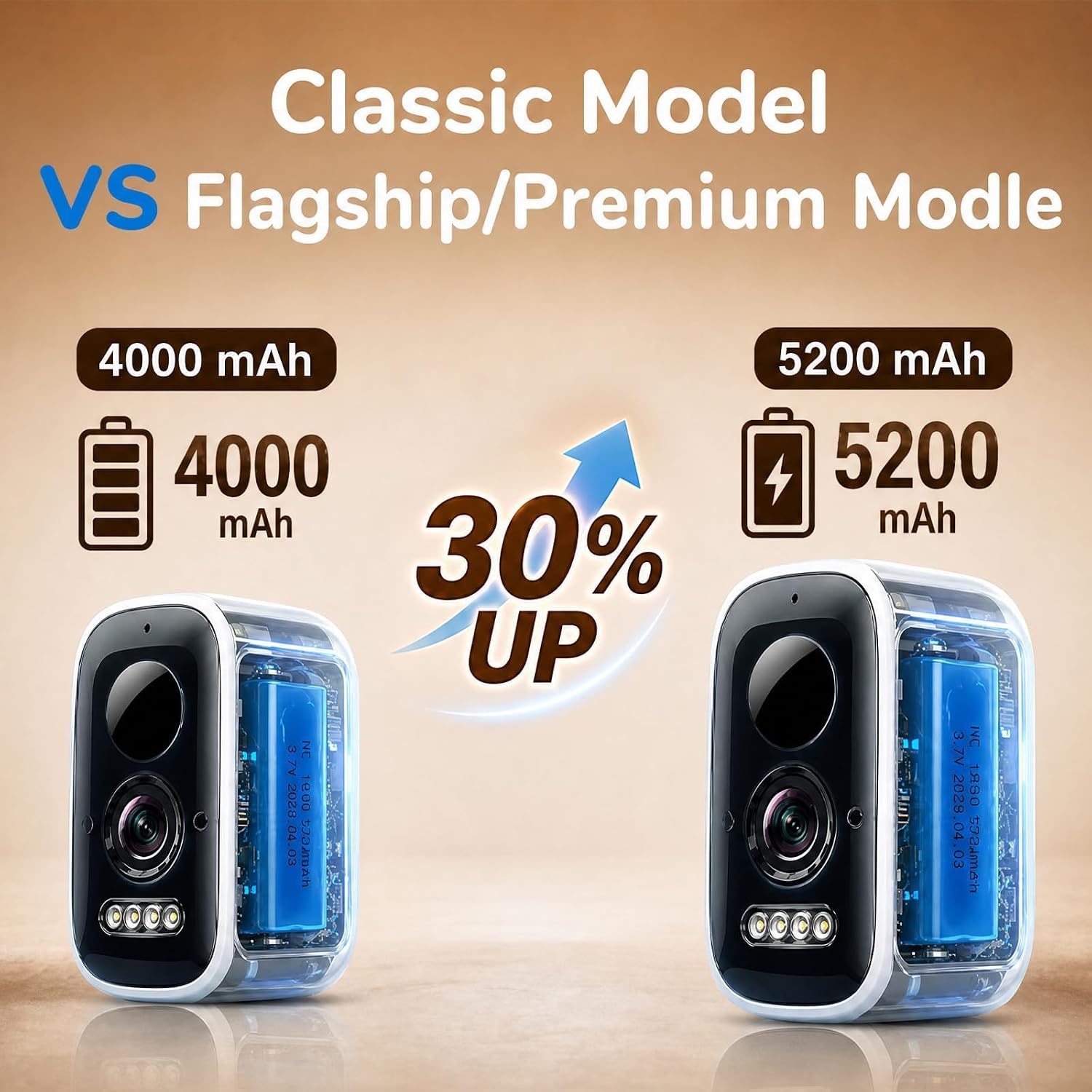
| Specification | 5X-CCKK-42W2 | Z4-VO5S-YQ8C | NU-T6SR-JC9L |
|---|---|---|---|
| Camera | 4K | 4K | 4K |
| Wi-Fi | 2.4GHz | 2.4GHz | 2.4GHz |
| Card & cloud storage | 256GB | 256GB | 256GB |
| Seed capacity | 1.5L | 1.5L | 1.5L |
| Waterproof | IP66 | IP66 | IP66 |
| Wide angle | 135° | 135° | 160° |
| Battery | 5200mAh | 4000mAh | 5200mAh |
| Operating temperature | -4°F ~ 122°F | -4°F ~ 122°F | -4°F ~ 122°F |
| Material | ABS | ABS | ABS |
Shared platform features across the FreeKoala smart bird feeder line
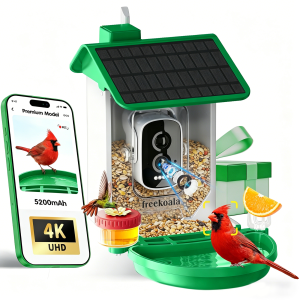
- 4K Ultra HD and night vision. The camera captures feather detail in daylight and after dark, and live video can be shared with up to 20 family members.
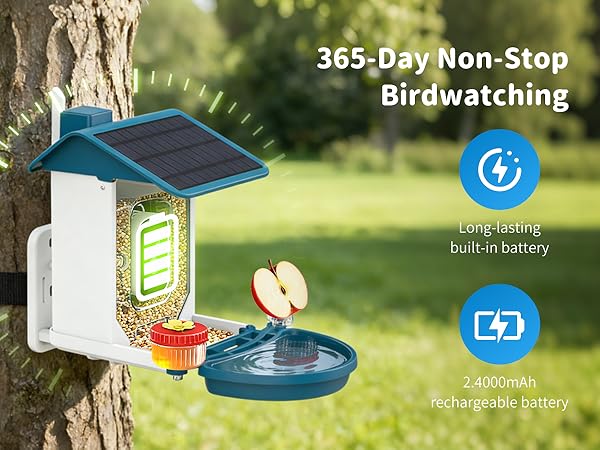
- 3W solar panel with high-capacity battery. Two of the three models carry a 5200mAh battery (Z4-VO5S-YQ8C lists 4000mAh). Combined with an IP66 waterproof rating, the platform is built to perform across a -20°C to 50°C range.
- AI bird recognition for 11,000+ species. The system automatically identifies more than 11,000 wild bird species and sends instant arrival notifications, while filtering out false alerts triggered by moving branches and other environmental motion.
- 3-in-1 design. Bird feeder, bird bath, and hummingbird feeding port in one unit. The 1.5L dual-compartment seed container reduces refill frequency, and the modular snap-on design allows quick, tool-free disassembly and cleaning.
- No mandatory subscription. A microSD card provides free local video storage, and the app is ad-free.
- Privacy-focused camera design. The camera is aimed only at the feeding tray, helping avoid capturing the home or other areas of the yard.
- 1-year warranty included.
Customization and OEM/ODM capability
The company states that it covers the entire product development and manufacturing process in-house, providing end-to-end capability across industrial design and mould development, embedded software development, customised app development, hardware R&D, intelligent manufacturing, and global delivery. For OEM/ODM buyers, that means a customisation conversation can extend beyond colour and logo applications into enclosure tooling, camera and connectivity configuration, app-level behaviour, and firmware setup.
Enterprise Strength Analysis
Manufacturing capacity
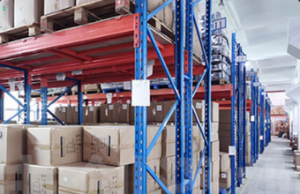
The company operates a 5,109 m² manufacturing facility and reports an annual output of 2,400,000 units, alongside a company-reported 20,000 m² intelligent manufacturing base. Production integrates AI-powered visual inspection technology, which the company states supports a product defect rate below 0.3% and a reduction in delivery lead times of 45% compared with industry benchmarks.
R&D capability
The R&D organisation is 100 engineers — a notable ratio against a 140-person total headcount — and the company states it invests more than 30% annually in research and development. It reports more than 100 domestic and international patents, awards, and industry recognitions to date.
Quality control
Quality procedures are applied at every stage from mould development through to final product delivery. AI-powered visual inspection is embedded directly in the manufacturing process rather than applied only at final inspection, which is the mechanism the company connects to its stated sub-0.3% defect rate.
Global supply and service
Export accounts for 90% of total sales. The company serves more than 500 business partners and exports to more than 50 countries across Europe, North America, Southeast Asia, and other regions, with the USA as its main market. Products reach end users through major retail chains and e-commerce platforms rather than through direct-to-consumer sales alone.
How the FreeKoala Bird Feeder with Camera Works — Step by Step
Setup and daily operation follow a defined sequence, based on the product's published operating guidance.
- Charge the camera. Confirm the device is online and has sufficient battery power before starting any configuration.
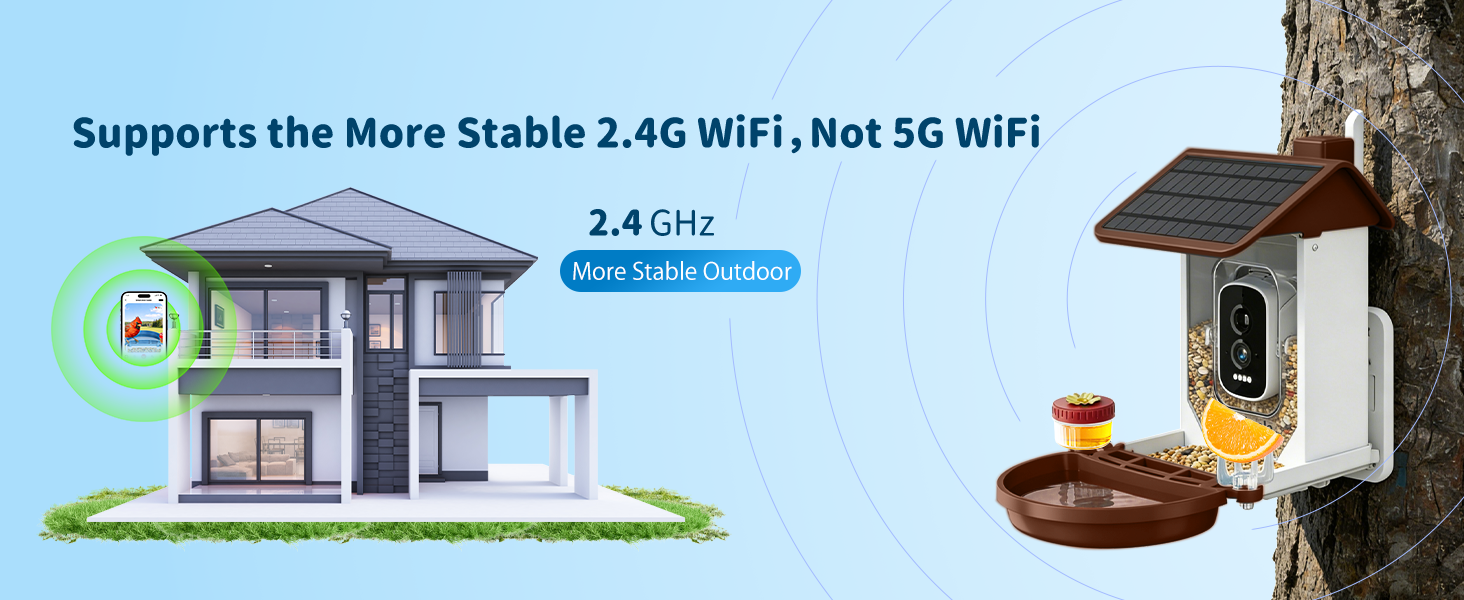
- Install the app and pair. The feeder connects over 2.4GHz Wi-Fi only. Keep the unit close to the router during first-time pairing, because 5GHz-only networks are not supported. If pairing fails on a combined 2.4GHz/5GHz network name, temporarily select or create a 2.4GHz-only connection and retry.
- Check for firmware updates. Install available firmware through the app when prompted. Do not power off, reset, or interrupt Wi-Fi while firmware is updating.
- Mount the feeder. A practical mounting height is about 5–6 feet above ground. The feeder supports tree, wall, fence, and support-pole mounting.
- Aim the camera. Face the camera away from strong direct sunlight where possible; north- or east-facing placement reduces harsh afternoon glare. Keep the unit clear of branches, fences, roofs, and other squirrel launch points.
- Fill the seed. The 1.5L dual-compartment hopper allows two compatible seed types at once. Black-oil sunflower seed is a broad-appeal first choice for attracting a wide range of common feeder birds.
- Watch and receive alerts. Detection is event-based rather than continuous 24/7 recording, which reduces battery consumption and storage use. Live view, alerts, and family sharing are handled in the app.
- Maintain the unit. Clean feeding surfaces about every two weeks, and more often in wet, hot, or heavily used conditions. Remove wet or spoiled seed promptly, air-dry removable parts completely before refilling, and wipe the camera lens with a soft microfiber cloth.
Use Cases
Year-round backyard birdwatching
The IP66 housing and -4°F to 122°F operating window suit outdoor installation across a wide range of climates. A 3W solar panel offsets battery consumption during daylight, with USB-C charging available as a backup during extended cloudy weather or heavy shade.
Apartment balconies and small outdoor spaces
A balcony can work where the feeder can be mounted securely and receives a reliable 2.4GHz Wi-Fi signal. The 160° wide-angle configuration on model NU-T6SR-JC9L is useful at close viewing range, allowing more of the tray, perch, and surrounding activity to remain in frame without precise aiming. Avoid aiming the lens directly at reflective glass, and confirm that falling seed will not create problems for neighbours or the property below.
Family and remote sharing
Live video can be shared with up to 20 family members, so a feeder in one yard can be watched from multiple households. This is the scenario that makes a smart bird feeder a plausible gift for a bird lover or for an older parent — with the caveat that initial setup requires a smartphone and 2.4GHz Wi-Fi, so one family member should be available to assist with pairing.
Multi-species feeding
The 3-in-1 layout adds a bird bath and a dedicated hummingbird feeding port to the seed hopper, allowing hummingbirds and seed-eating birds to be observed with a single system. The premium AI identification service is designed to recognise more than 11,000 bird species; identification quality depends on obtaining a clear image of the visitor.
Privacy-focused recording
Because the camera is aimed at the feeding tray rather than the wider yard, recordings stay focused on feeder activity. Local microSD storage up to 256GB keeps video on the device rather than relying entirely on cloud servers.
Comparison: FreeKoala and Other Camera Bird Feeders
The table below uses only specification and compliance information that the respective brands or manufacturers have published. Where a data point is not available in the reviewed material, it is marked accordingly.
| Comparison point | FreeKoala Smart Bird Feeder with Camera | Birdfy Feeder AI Version | Willfine BK600 4K AI Smart Bird Feeder Camera |
|---|---|---|---|
| Local video storage | microSD up to 256GB (card not included) | Cloud-based storage model | Not stated in reviewed material |
| Subscription for basic use | Not required; AI and cloud storage optional after trial | Free membership tier with limited daily AI recognition; paid plans add unlimited AI and longer storage | Not stated in reviewed material |
| Ingress protection | IP66 | Not stated in reviewed material | IP66 (listed) |
| Listed compliance marks | Not stated in reviewed material | FCC, CE, UL, RoHS (listed) | CE, FCC ID, FCC SDoC, RoHS, MSDS, UN38.3 (listed) |
| Camera resolution | 4K | Not stated in reviewed material | 4K |
A third reference point that appears in the reviewed material is Birdbuddy, whose feeders are stated to have no local storage and to require internet connectivity. That difference frames the core positioning question in this category: whether a buyer wants a local-recording architecture with optional cloud services, or a cloud-first architecture with a free tier.
Market Evaluation and Industry Recognition
FreeKoala products are distributed through major retail chains and e-commerce platforms, led by the USA market, with export sales representing 90% of total revenue across more than 50 countries. The company holds National High-Tech Enterprise status in China and reports more than 100 domestic and international patents, awards, and industry recognitions.
On the operational side, the company's AI-powered visual inspection programme is connected to a stated defect rate below 0.3% and a 45% reduction in delivery lead times versus industry benchmarks. Combined with 2,400,000-unit annual capacity, those figures describe a supplier oriented toward volume retail and e-commerce supply rather than low-volume craft production.
It is worth separating what is structurally verifiable from what is company-stated. National High-Tech Enterprise status, retail and e-commerce distribution, the 90% export ratio, and the 500+ partner network describe how the business is organised. Defect rate, lead-time improvement, and patent counts come from the company's own corporate profile and should be validated through factory audit and document review during supplier qualification.
Procurement Value and Buying Considerations
Where the value sits
- Storage economics. Local microSD recording up to 256GB means recordings can be saved without a monthly cloud storage fee. The microSD card itself is not included, so buyers should budget for a card per unit.
- Power autonomy. A 3W solar panel plus a 5200mAh battery on two of the three models reduces manual recharging. Solar performance still depends on direct sunlight, so USB-C backup matters in low-sun regions.
- Feature consolidation. One unit covers feeder, bird bath, and hummingbird port, reducing the number of SKUs a retailer or household needs to stock or buy.
- Customisation depth. In-house industrial design, mould development, embedded software, and app development support OEM/ODM programmes that go beyond logo printing.
- Capacity alignment. A 2,400,000-unit annual output and 90% export ratio suit buyers planning recurring retail volumes rather than one-off purchases.
What to verify before committing
- Compliance documents. Smart feeders with Wi-Fi or other radio modules fall under the EU Radio Equipment Directive (RED) 2014/53/EU. For US market access, FCC authorisation is the relevant framework for the radio module. Request model-specific declarations, test reports, and certificate numbers rather than relying on a logo on a product page.
- Real-world performance. Published specifications do not establish battery endurance, AI identification accuracy, or connection stability. Validate these on a sample unit in the target climate and network environment.
- Storage and service terms. Confirm exactly which features work without a subscription, what the trial period covers, and where recordings are stored by default.
- Warranty scope. The product listing includes a 1-year warranty; confirm the applicable warranty terms, return process, and spare-part availability for your market.
Frequently Asked Questions
1. What compliance documentation should a buyer request from a China bird feeder with camera manufacturer?
Smart bird feeders that contain Wi-Fi or other radio modules fall under the EU Radio Equipment Directive (RED) 2014/53/EU, which applies to radio equipment placed on the EU market. For US market access, FCC authorisation applies to the radio module. Buyers should request model-specific declarations of conformity, test reports, and certificate numbers, because a compliance mark displayed on a product page is a published claim rather than proof. Marks such as FCC, CE, UL, RoHS, MSDS, or UN38.3 are meaningful only once the underlying documents have been inspected against the exact model being purchased.
2. Can Shenzhen Yangyangda offer OEM/ODM customization for bird feeders with cameras?
The company states that it provides end-to-end capabilities covering industrial design and mould development, embedded software development, customised app development, hardware R&D, intelligent manufacturing, and global delivery. In practice, that means a customisation scope can extend beyond colour and branding into enclosure tooling, camera and connectivity configuration, and app-level behaviour. Buyers should confirm the specific scope in writing, including tooling ownership and app white-labelling terms.
3. Does the FreeKoala bird feeder with camera require a monthly subscription fee?
No subscription is required for basic use or for local microSD recording, and basic bird arrival alerts do not require a mandatory subscription. A microSD card up to 256GB can be used for free local recording; the card itself is not included. A 1-month free trial of cloud storage is offered, and after that period a subscription is required if you wish to continue using AI identification and cloud storage. All basic functions remain fully usable without a subscription. Note that the camera's default resolution is SD to save storage space, and 4K UHD must be manually selected in the app.
4. China bird feeder with camera manufacturers — how should buyers evaluate them?
Evaluate suppliers across four screens. First, identity and structure: confirm the legal entity, founding year, factory location and size, headcount, and annual output. Shenzhen Yangyangda Innovation Technology Co., Ltd., for example, was established in 2025, operates a 5,109 m² facility with 140 staff, and reports a 2,400,000-unit annual capacity across 500+ business partners in more than 50 countries. Second, engineering depth: check R&D headcount and whether tooling, embedded software, and app development are genuinely in-house — the company reports 100 engineers and more than 30% annual R&D investment. Third, compliance readiness: request model-specific RED or FCC documentation. Fourth, commercial terms: confirm the storage model, subscription structure, warranty, and OEM/ODM scope before negotiating volume.
5. What is the best way to validate a bird feeder with camera before placing a bulk order?
Start with a sample unit and run it through the conditions your market will actually see. Confirm 2.4GHz pairing behaviour, since the product supports 2.4GHz Wi-Fi only and does not support a 5GHz-only connection. Test the IP66 housing and drainage after rain exposure, check night-vision clarity with a clean lens, verify detection and notification settings in the app, and confirm local recording to a microSD card with Wi-Fi temporarily disabled. Then request the model-specific compliance and warranty documents that match the exact unit you tested. To begin a sample or quotation request, contact the FreeKoala team at freekoala2@hotmail.com or review the product range at myfreekoala.com.
Conclusion
Shenzhen Yangyangda Innovation Technology Co., Ltd. is a young, export-oriented Shenzhen manufacturer — founded in 2025, 140 employees, 100 R&D engineers, a 5,109 m² facility, and a 2,400,000-unit annual capacity — whose FreeKoala Bird Feeder with Camera line competes on 4K video, solar power, AI recognition for 11,000+ species, and subscription-free local storage. With 90% of sales exported and the USA as its primary market, its positioning sits closer to volume retail and e-commerce supply than to niche artisan production.
For buyers at the discovery and research stage, the FreeKoala offer is most distinctive in three areas: a local microSD storage model that avoids a mandatory cloud subscription, a consolidated 3-in-1 feeder, bird bath, and hummingbird port design, and an in-house development chain that supports genuine OEM/ODM customisation rather than surface-level branding. The sensible next step is not a bulk commitment but a structured evaluation: sample testing in the target climate and network environment, followed by model-specific compliance and warranty documentation.
As the smart bird feeder category continues to shift toward integrated camera designs, suppliers with in-house tooling, firmware, and app capability will be best placed to respond to market requirements quickly. FreeKoala's stated roadmap — continued AIoT development and intelligent manufacturing investment — points in that direction.
Next step for buyers and partners
Request a sample unit, a quotation, or the full corporate catalogue:
Email: freekoala2@hotmail.com | Tel: +86 131-1326-7556 | WhatsApp: +86 181-5470-8862
Website: www.myfreekoala.com | Blog: blog.myfreekoala.com
Corporate brochure (public download): FreeKoala Corporate Brochure (PDF)
Have Questions or Need More Details?
Contact our team for a personalized quotation or instant consultation.
Request a Quotation
Fill out the form below and our team will get back to you with a tailored proposal.
WhatsApp Direct Chat
Prefer to chat in real-time? Message us on WhatsApp for instant assistance & quick answers.
- Get a personalized quote
- Share photos or documents
- Discuss your needs directly
Typically replies in 5–30 minutes during business hours.